
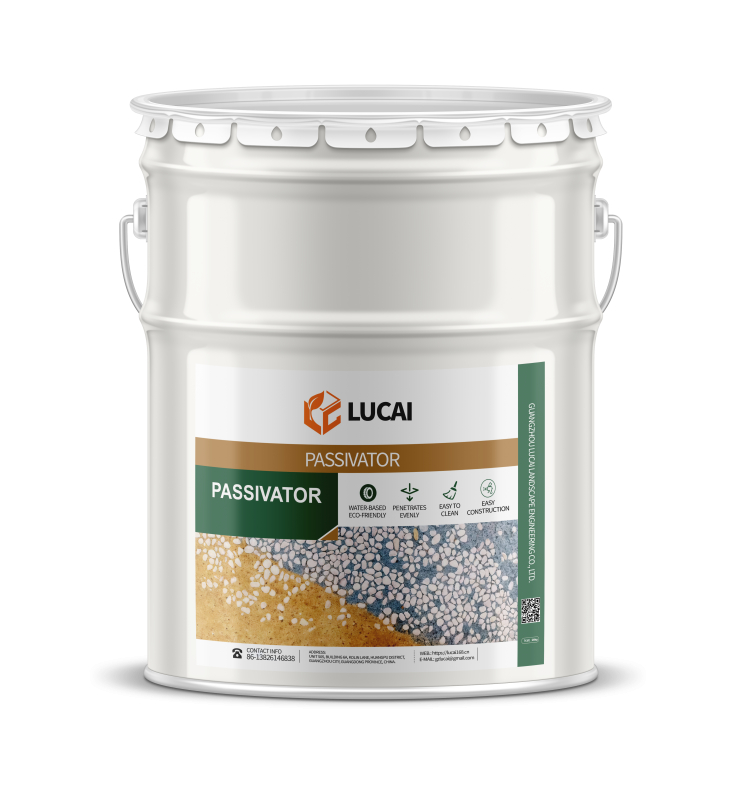

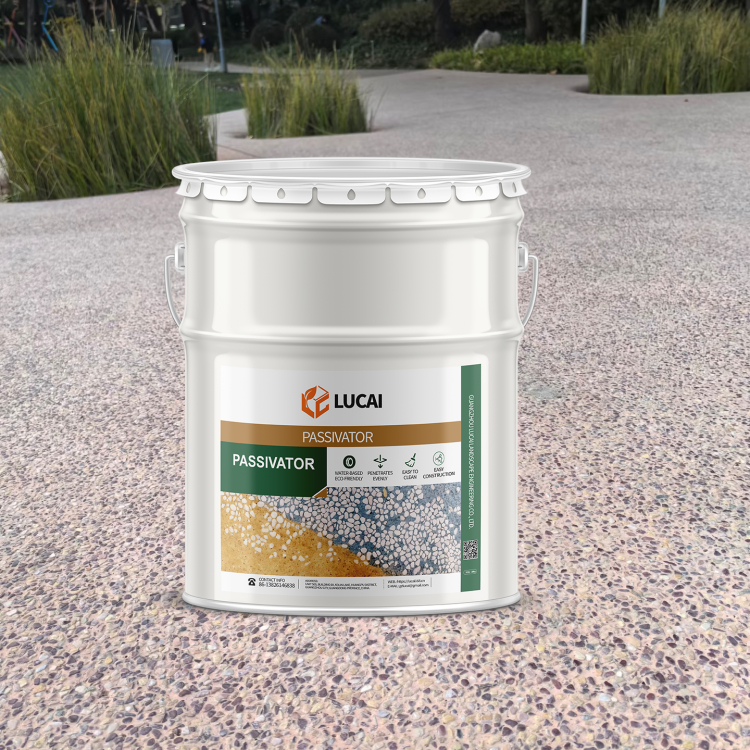
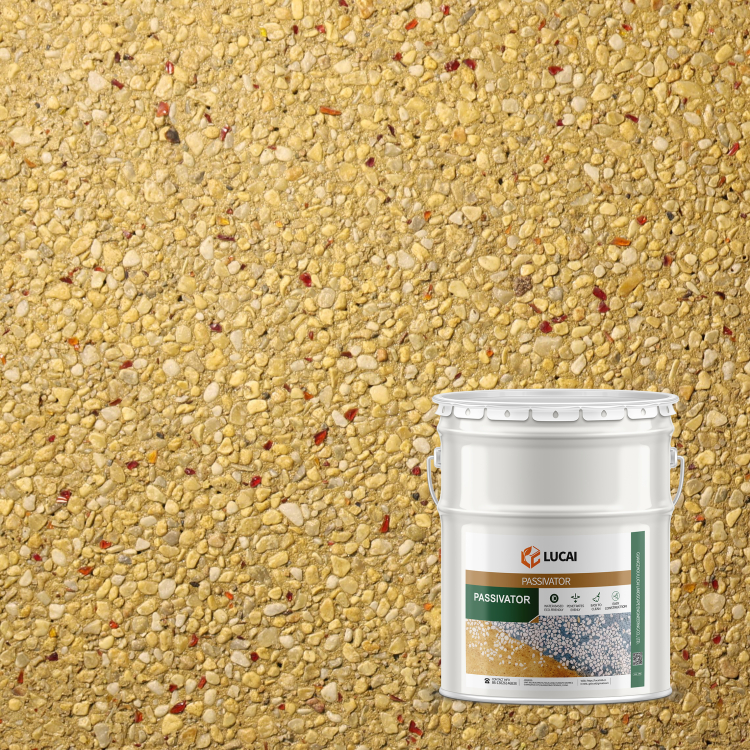
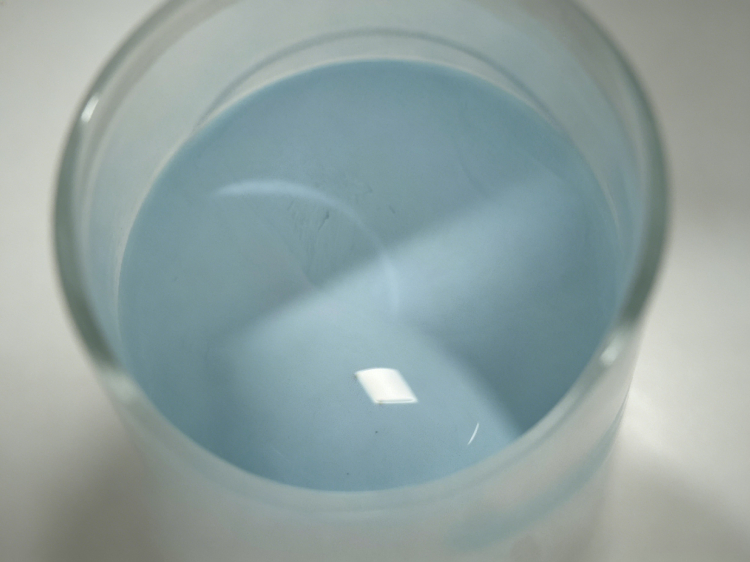
A water-based concrete treatment agent that delays the surface setting of fresh concrete, facilitating the formation of exposed aggregate finishes and superior bonding surfaces.
Water-based Eco-friendly Formula
Non-toxic and safe with zero VOC content.
Uniform Exposed Finish
Uniform aggregate exposure without acid washing or heavy chipping, cutting labor costs.
Controllable Etching Depth
Etching depth adjustable up to 10 mm by varying coating thickness.
No Impact on Structural Strength
It will not weaken the bonding force of concrete or steel, maintaining the intact structural strength of the substrate.
National Service Hotline: +86 13826146838
This concrete surface retarder from LU CAI enables easier and more uniform construction of exposed aggregate finishes. It is applied directly onto freshly poured concrete surfaces to inhibit the hardening of cement paste, delivering highly controllable exposed aggregate decorative effects. Unlike sugar-based retarders with inconsistent retarding performance, LU CAI selectively slows the hydration process to a controllable depth.
LU CAI concrete retarder comes with twelve preset exposure depths distinguished by color coding, enabling consistent and repeatable removal of cement paste and exposure of aggregates. By extending the window for washing off surface cement slurry, LU CAI concrete retarder allows the underlying concrete to fully cure, locking aggregates in place and reducing spalling. Water-soluble in nature, LU CAI concrete retarder can be easily cleaned away with high-pressure water guns and scrubbing equipment.
LU CAI concrete retarder forms a polymer film that acts as a water-retention barrier and temporary curing agent. It shields freshly placed concrete from light rain damage and minimizes moisture loss.


Application Steps:
Surface Preparation: Ensure the formwork or concrete surface is clean and free of debris or sealants. (For fresh pours, apply after any bleed water has evaporated; for formwork, the forms should be dry and uncoated by release agents in areas to be treated.)
Even Application: Stir the retarder if needed and apply a uniform, even coat at the desired thickness using a brush, roller, or sprayer. Full, consistent coverage is critical to achieve uniform exposure depth.
Standard Curing: Allow the concrete to cure as normal. The retarder will prevent the top surface mortar from hardening during this period while the underlying concrete gains strength. (If applied to formwork, pour the concrete once the retarder film is ready and proceed with curing.)
Exposure: After the appropriate delay, remove the formwork (if used) and rinse off the softened surface mortar using a hose and stiff brush or low-pressure washer. The aggregate will be revealed, leaving an exposed finish or rough bonding texture. Any retarder residue should be thoroughly washed away.
Precautions & Tips:
Apply the retarder evenly at the recommended coverage rate to avoid patchy results. Consider using a pigmented formulation or tracer to help monitor coverage if available.
Do not apply to overly wet or sealed surfaces. For horizontal concrete, wait until bleed water disappears and avoid using curing compounds before applying the retarder. For formwork applications, ensure no form-release oil is present on the areas where retarder is applied, as it may hinder penetration.
If high winds, excessive heat, or heavy rain are anticipated during the curing period, protect the treated surface with plastic sheeting to prevent premature drying or wash-off of the retarder.
Plan the removal and washing at the proper time. Under normal conditions, the retarder can keep the surface paste workable for up to about 72 hours; under accelerated curing (e.g. ~60°C steam curing), expose the aggregate within roughly 12 hours for best results. Always test a small section if unsure – the surface paste should come off easily without dislodging aggregate.
Using a surface retarder eliminates the need for harsh acids or intensive mechanical scabbling to expose aggregate. This makes the process safer, faster, and more consistent compared to traditional methods, while maintaining the concrete’s quality and appearance.
| Property | Value |
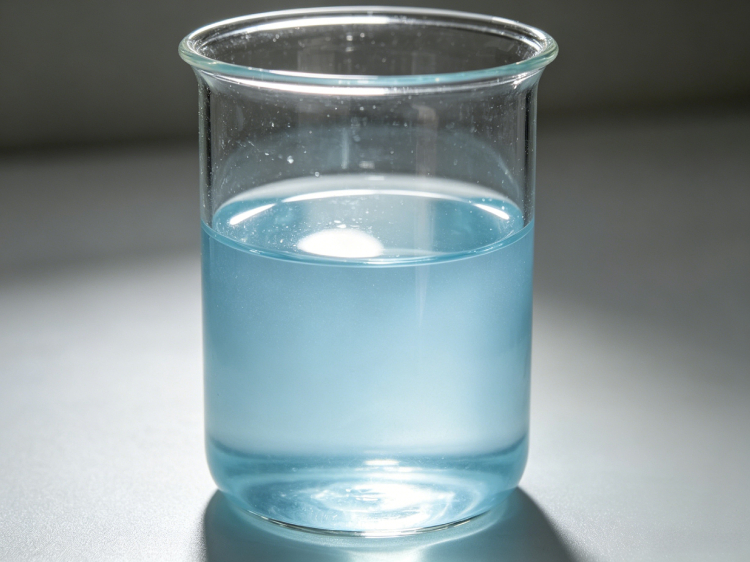
Appearance | Milky white, homogeneous paste |
| pH | 6–8 |
| Open Time | ≥10 hours |
| Retardation Time | ≥72 hours (room temperature); ≥12 hours (at 60°C) |
| Etching Depth | 1–10 mm (adjustable based on application thickness) |
| Impact on Final Concrete Strength | None |
| Storage Stability | No separation or precipitation |